
Marshall Islands
Energy Efficient Lighting * Solar Energy * Other
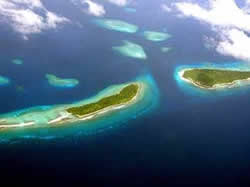 The Republic of the Marshall Islands, a nation of scattered reefs and atolls in the North Pacific, is under grave threat from sea level rise associated with climate change. With its highest point standing at a mere thirty feet above sea level, the Islands' existence is in danger of submersion.
This group of islands is favorably located to supply its energy needs from the fierce tropical sun. The government of the Marshall Islands has implemented extensive solar energy projects to electrify homes, workplaces and other facilities. These projects have assisted the Marshall Islands in becoming a formidable power in the effort to utilize small islands' abundant solar energy resources. The Climate Institute is assisting the Ministry of Energy and Natural Resources of Marshall Islands to raise funds for the implementation of their broad based and ambitious Renewable Energy Program.
Marshall Islands Project Profiles
Energy Efficient Lighting Program
Energy Efficient Lighting Program Case Study (PDF)
Purpose: According to the Marshall Islands' Chamber of Commerce, electricity rates rose from 12 to 15 cents per kilowatt-hour in 2005, a steep price for residents who earn an average of two dollars per day. In order to alleviate some of these high costs, GSEII collaborated with the Government of the Marshall Islands to promote the use of energy-efficient light bulbs. These bulbs will reduce the amount of energy consumed to produce light, decreasing the amount of money spent to generate it.
Description and Results: This project originated on the island of Majuro, for which maps were created to target those areas most in need of efficient lighting technology. The UK-based organization Climate Care provided 10,000 energy-efficient light bulbs for the Energy Efficient Lighting Program, which were distributed to government buildings, schools, and houses.
Solar Energy Projects
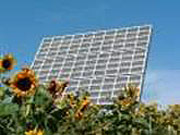 Purpose: Renewable energy is the most appropriate long-term alternative source to replace imported petroleum products for electricity production in the Marshall Islands. Solar photovoltaic (PV) technology is already technically and financially attractive for relatively small remote island demands when properly planned, operated, and maintained.
Description: GSEII iworked with the Marshall Islands to expand the use of PV technology to improve the quality of life for the Marshallese while helping reduce carbon emissions. In 2006, solar electricity became a part of the long-term development of the National Energy Policy, demonstrating the Marshallese commitment to renewable energy through PV systems.
In Fall 2006, the Outer Island Electrification Project was launched, giving access to solar homes to residents of Namorik and Mejit Islands. Solar electrification was completed with assistance from the EU, the Republic of China, and the US government.
Update: In Spring 2007, Actions for the Development of the Marshall Island Renewable Energy (ADMIRE) was established and is planned to be completed by 2014.
ADMIRE presentation (PDF, 139 KB)
 Other Past and Present Projects:
Bio-fuel/Copra Energy Project
As a substitute for diesel, the Marshalls Energy Company, with the aid of GSEII, aims to develop small generators from 5 kWh to 50 kWh that run on this bio-fuel to work synergistically with solar-powered systems, providing electricity for high load appliances not requiring 24-hour power generation such as freezers and washers. Currently, the company is still developing methods of generating this fuel.